Inspection Hold Points Before Modular Connections Are Concealed
A modular connection inspection needs to happen while the structural work is still visible. Once walls, ceilings, closures, or finishes cover a connection, it becomes harder to assess the installation and correct a mismatch.
For coastal projects, the inspection sequence matters as much as the connection itself. Elevated concrete supports, module alignment, wind and flood exposure, and trade access all affect what must be reviewed before close-in. Clear hold points give the installation team and other project participants a shared release process.
Key Takeaways
- A hold point is a planned pause before work continues or conceals a connection.
- Approved project documents define the details and acceptance criteria for that specific home.
- Review elevated foundation bearing points, elevations, and connection hardware before setting modules.
- Inspect module-to-module and module-to-foundation connections before covering them.
- Record discrepancies and obtain the required design direction before changing connection details.
- Keep inspection responsibilities and release records clear across the installer, engineer, trades, and local building department.
What a Hold Point Means Before Close-In
A hold point is a scheduled moment when work pauses for a required review before the next operation makes the work inaccessible. For modular installation, that may mean holding before a marriage line is closed, before an anchor is covered, or before a ceiling or wall finish hides structural fasteners.
The exact inspection sequence depends on the approved plans, permit documents, and project responsibilities. A municipal inspection, an engineer's review, and the installation crew's quality check serve different purposes. The schedule should name which review applies at each point and who releases the work afterward.
Set a release point for each concealed connection
The team can identify hold points on the placement drawings and installation schedule. Each one should tie to a specific assembly or work stage, such as foundation anchors, module-to-module fastening, or structural bracing. This makes it clear what must remain accessible and who needs notice before concealment begins.
For example, a crew should not cover a marriage line simply because the modules appear aligned. The connection still needs to match the approved detail and receive any required review. Identify inspection hold points on placement drawings before the set so connection access is part of the plan.
Use project-specific details
Connection types and installation requirements vary by design. Drawings may specify bolts, straps, embedded plates, weld plates, sleeves, or other hardware. The relevant detail also identifies where components belong and how adjoining sections connect.
A visual check alone cannot replace the required technical review. Instead, the hold point should provide access to the connection and enough project information for the designated reviewer to assess it.
Review Elevated Concrete Supports Before the Set
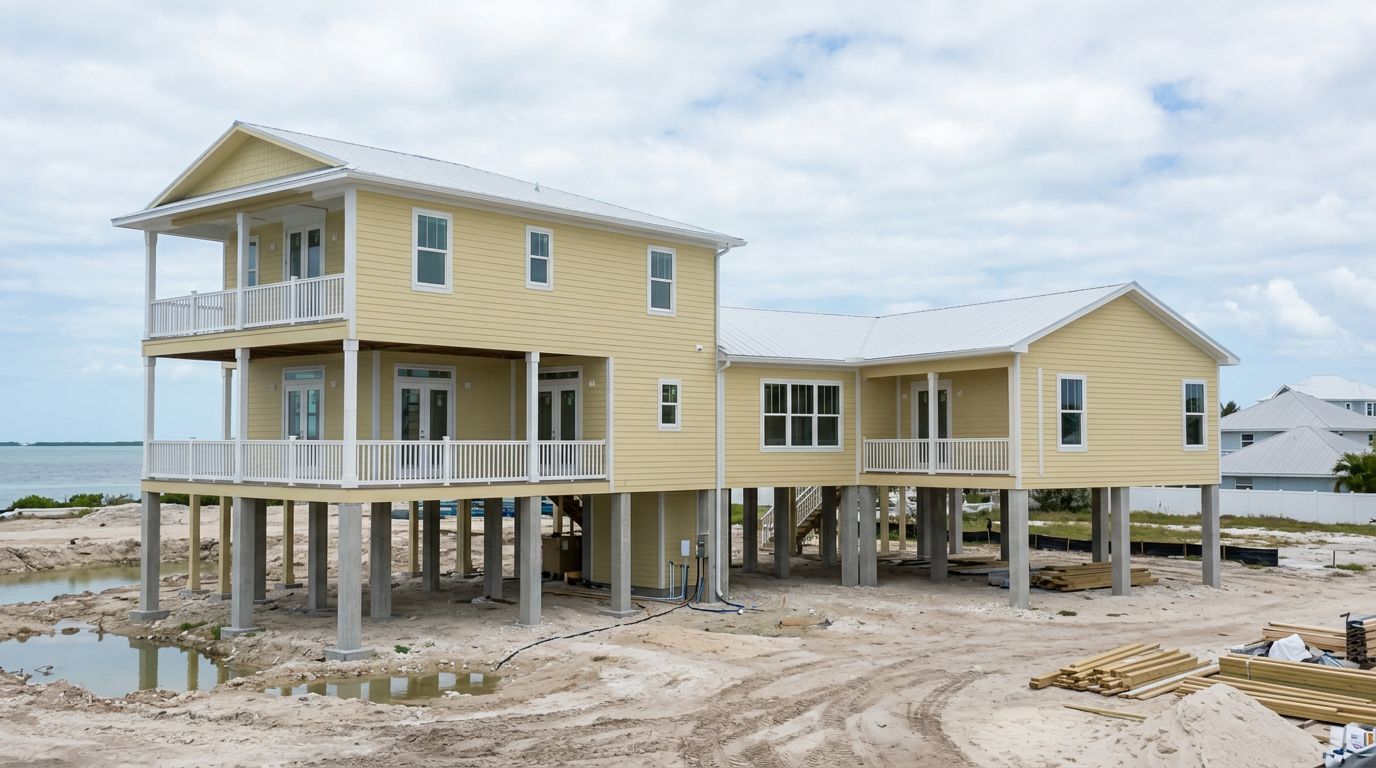
On an elevated coastal home, the foundation-to-module interface begins with the support system. Concrete columns, piers, grade beams, slabs, or combinations of these elements must align with the structural design and the planned module positions. Their connections transfer loads between the home and the foundation.
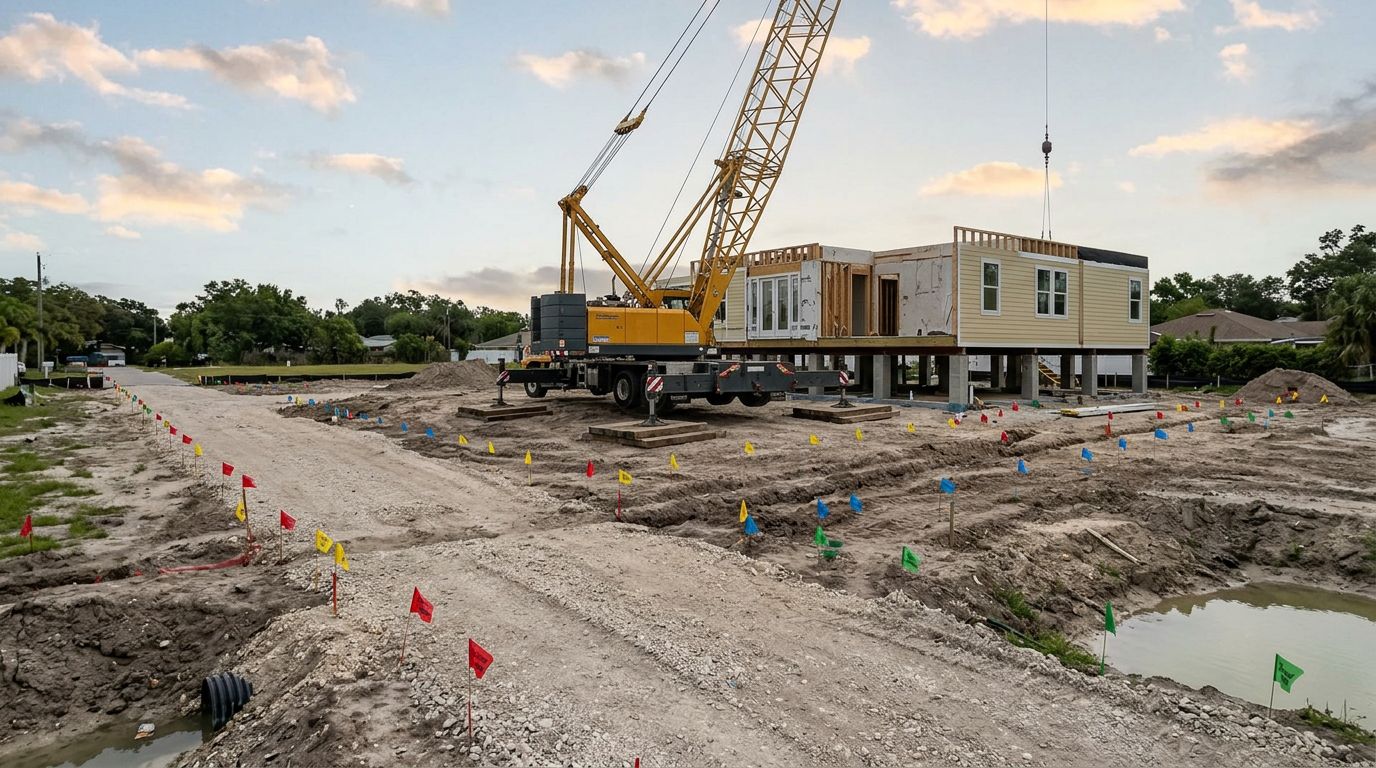
Before the crane set, the team needs to review the support locations and elevations at each bearing point, not only at the building corners. A discrepancy can affect floor alignment, marriage-line fit, anchorage, or the ability to complete a connection as drawn.
Compare bearing points and embedded hardware
Foundation details may show anchor bolts, straps, plates, sleeves, or other embedded items. Their locations and orientation matter because the installation crew must connect the modules to the intended supports. If an item is missing or misplaced, the issue needs a documented resolution before it is hidden by the set.
A foundation handoff should cover more than whether concrete work appears complete. It should account for bearing locations, elevations, connection points, and access for completing the installation. Review foundation connection details before delivery as part of that handoff.
Account for access and site conditions
The crane and installation crew need a workable route to the set area, stable ground for equipment, and clear access to the connections. In Key West or another part of the Florida Keys, narrow access, nearby water, or a raised structure can shape equipment placement and the work sequence.
Site surveys and required foundation inspections also belong in the schedule. The permitted work determines which inspections and elevation documents apply. Plan inspection timing for coastal construction before setting day, so a required review does not fall after the relevant work is covered.
Inspect Connections After Module Placement
After each section is set on its supports, crews align the modules and complete the structural connections shown in the project documents. The set sequence can affect access, especially where adjoining sections create narrow work areas or where an elevated foundation limits access from below.
A hold point after placement gives the designated reviewer a chance to see the installation before covers, finishes, or follow-on work obstruct the view. It also gives the crew time to address a problem while the connection remains accessible.
Review the marriage line
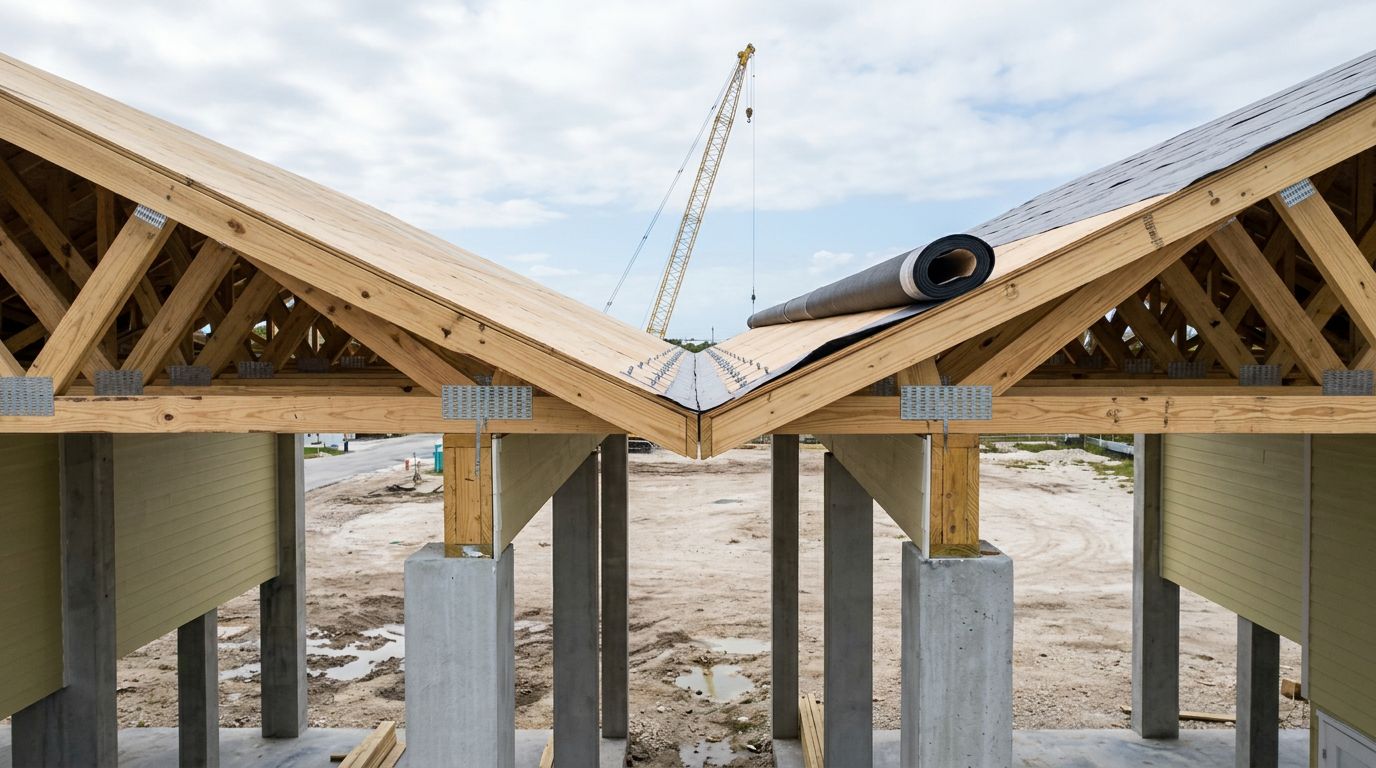
The marriage line is where adjoining modules meet. Review the alignment and installed fasteners against the project details before the joint is closed. Related work may include structural attachments, sealing, and weather protection, but those tasks do not replace structural review.
The connection requirements depend on the home's design and approved installation plan. Inspect modular marriage-line connections before finishes go in while the full joint can still be viewed.
Check the home-to-foundation connection
The module-to-foundation connection is part of the structural load path. Depending on the approved details, the work may involve anchors, straps, bolts, plates, or bracing. On elevated structures, the interface between the home and concrete supports deserves particular attention because access can become restricted after enclosure work.
If the installed condition differs from the drawings, the crew should document the discrepancy and obtain the required design resolution. Review structural connections before closing in rather than relying on assumptions about acceptable substitutions.
Plan the Inspection Sequence Around the Work
A hold point is useful only when the right people know it is coming. The installation schedule should show the work stage, the required reviewer, how much access must remain open, and who can release the next task. This coordination helps prevent another trade from closing an area before the connection review takes place.
For a Modular Home Installation project, the sequence may include a foundation review, post-set connection checks, required jurisdictional inspections, and trade handoffs. Local requirements vary with permitted scope, so the project schedule should follow the applicable permit documents.
Coordinate the trades
Electrical, plumbing, and mechanical work can affect access around supports, walls, and floor systems. Utility sleeves or service routes may also cross the foundation area. When these trades are scheduled without considering the connection hold points, workers can cover or obstruct an area before the structural review.
A pre-set coordination meeting can identify who contacts the engineer, who requests inspections, and when the electrician or other trade can proceed. In Tampa or elsewhere along the Gulf Coast, this timing is especially useful when weather or site access may shift the work sequence.
Leave room for inspection
A crew should not install permanent closures or finishes until required reviews are complete and the connection is ready for the next stage. Temporary protection can help limit exposure to rain and wind while the work remains open. The project plan should distinguish that protection from permanent enclosure or finish work.
Document Findings and Resolve Changes Before Concealment
A useful inspection record shows what was reviewed and what happened next. It can include the location, date, connection detail, reviewer, observed condition, and release or correction status. Photographs can support the record when they clearly show the connection and its location.
Documentation matters when multiple teams handle different parts of the work. It gives the installer, engineer, general contractor, and other responsible parties a consistent record of what remained open and what was released.
Record discrepancies clearly
If an anchor, plate, or module connection does not match the approved detail, record the location and condition before work continues. The record should distinguish an observed mismatch from a proposed correction. That helps keep field changes within the required design approval process.
Drilling, cutting, relocating components, or substituting hardware can change the connection. Those actions require the appropriate design direction, not an on-site guess. A written resolution gives the crew a defined basis for completing the work.
Close the hold point deliberately
Once the required review and any corrections are complete, the responsible party should release the next task. The schedule or inspection log can note what was accepted for that stage and what work may proceed. This prevents a verbal handoff from being mistaken for a permit inspection or engineering approval.
A clear record also helps when later work depends on the same area. If questions arise after concealment, the team can refer to the inspection documentation rather than relying on memory.
Visual Review Is Not Technical Acceptance
A finished-looking exterior does not prove that concealed structural connections were installed as required. Likewise, a visible concern does not by itself establish the cause or the structural effect. Visual observations should lead to the appropriate technical review when the condition requires it.
Separate condition checks from connection review
Before placement, a crew may document visible damage or other conditions on the modules. That is different from accepting concealed structural connections, which may not yet be installed or accessible. A clean exterior cannot confirm the condition of a connection hidden inside a floor or wall assembly.
The inspection plan should state what each review covers. Document module condition before placement as a separate task from reviewing installed structural connections.
Use the right reviewer for the question
Installation crews can assess work within their assigned scope, while an engineer or local inspector may have a separate review role. The required reviewer depends on the project documents and permit process. Keeping those roles distinct helps prevent a crew's visual check from being treated as a design decision or official inspection.
Frequently Asked Questions
When should a modular connection be inspected?
Inspect it after installation and alignment, but before walls, ceilings, closures, or finishes make it inaccessible. The project documents and schedule determine any additional review points.
Who decides whether the connection can be concealed?
The party responsible for releasing that hold point should be identified in the project schedule. If the permit or approved plans require an engineer or building department inspection, that review must occur as specified before concealment.
What should the crew do if installed hardware differs from the drawings?
Document the location and condition, pause the affected work, and obtain the required written design direction. Do not drill, cut, relocate, or substitute connection components based on field assumptions.
Does an elevated foundation change the inspection plan?
It can affect access and sequencing. Elevated columns, piers, grade beams, and slabs may make foundation connections harder to reach after enclosure, so the project plan should place those reviews before access is restricted.
Keep Connections Accessible Until They're Released
Hold points work when they're tied to specific connections, assigned reviewers, and a clear release before concealment. On coastal sites in Fort Myers, Sarasota, and the Florida Keys, that discipline supports an orderly sequence between elevated concrete work, the module set, and follow-on trades.
For a successful Modular Home Setup, protect access to each connection until the required review is complete. Early coordination and a reliable written record make it easier to resolve discrepancies while the work is still visible.
Recent Posts