Crane Set Delay After Delivery: What to Do Next
Your home sections have arrived, but the crane set isn't moving forward. A crane set delay calls for a written holding plan , a clear explanation of the problem, and a revised schedule based on confirmed readiness.
For coastal projects, that review should cover the delivered sections, equipment access, and elevated concrete supports. Start by getting the installer, transport provider, and crane company working from the same information.
Key Takeaways
- Ask the project team to confirm where the sections will wait, how they'll remain protected, and who will monitor them.
- Separate the cause of the delay from the conditions required to restart the set.
- Review written pricing and responsibilities before approving storage, standby, relocation, or another equipment mobilization.
A new crane date should follow those decisions. Booking equipment first can leave the original problem unresolved.
Confirm Why the Crane Set Delay Happened
Get a written explanation from the person coordinating the installation. "We can't set today" doesn't tell you whether the problem involves equipment availability, weather, access, foundation readiness, or an unresolved inspection.
Identify the actual stopping point
Ask the coordinator to name the condition preventing the lift and the person responsible for resolving it. Also request the evidence needed before the team can proceed, such as a revised crane plan, foundation review, or inspection confirmation.
On a Key West property, the issue might involve an overhead conflict or restricted equipment position. Get the actual finding for your address rather than assuming coastal access caused the delay.
Record when the problem became known and which sections had already arrived. That timeline gives everyone a consistent starting point for schedule and cost discussions.
Put one person in charge of updates
Check the contract to confirm who coordinates transport, crane scheduling, and the installation crew. Don't assume the transport dispatcher controls the entire modular home installation.
Ask that coordinator to issue one written update covering the current status, unresolved items, and next decision time. The homeowner, site superintendent, crane provider, and transport team should receive the same version.
In the Florida Keys, where staging options deserve careful review, include the person managing temporary space. Separate phone conversations can otherwise leave different parties expecting different arrangements.
Agree on a Holding Plan for the Delivered Sections
The immediate decision is where the sections will remain while the project team resolves the delay. Ask the installer and transport provider to evaluate the available arrangements before authorizing any move.
Confirm the location and support arrangement
Request written confirmation of whether the sections will stay on their delivery equipment, move to an agreed staging location, or require another approved arrangement. The plan should identify who authorizes the placement and who provides any necessary equipment or support details.
For a Naples waterfront project, ask the team to review the proposed holding area against access, drainage, nearby utilities, and future crane positioning. Don't assume a location suitable for arrival also works for an extended wait.
If relocation becomes necessary, obtain its scope and price first. Confirm that the destination is available and that the next transport movement has a named coordinator.
Assign protection and monitoring responsibilities
Have the installer identify the protection needed for exposed openings, connection areas, and finished surfaces. Ask who will check that protection during the delay and after changing weather.
Photograph the sections, their current placement, and visible conditions. Keep delivery records with those images so the team can distinguish arrival conditions from later concerns.
Also ask who controls site access and who receives reports of water intrusion or damage. If insurance questions arise, request confirmation from the relevant provider rather than assuming coverage applies while the sections wait. Keep these answers with the holding plan.
Recheck Weather, Ground Conditions, and Crane Access
A delay can change the conditions the original lift plan assumed. Ask the crane provider and installation team to review current conditions before treating the replacement date as firm.
Get the crane provider's current assessment
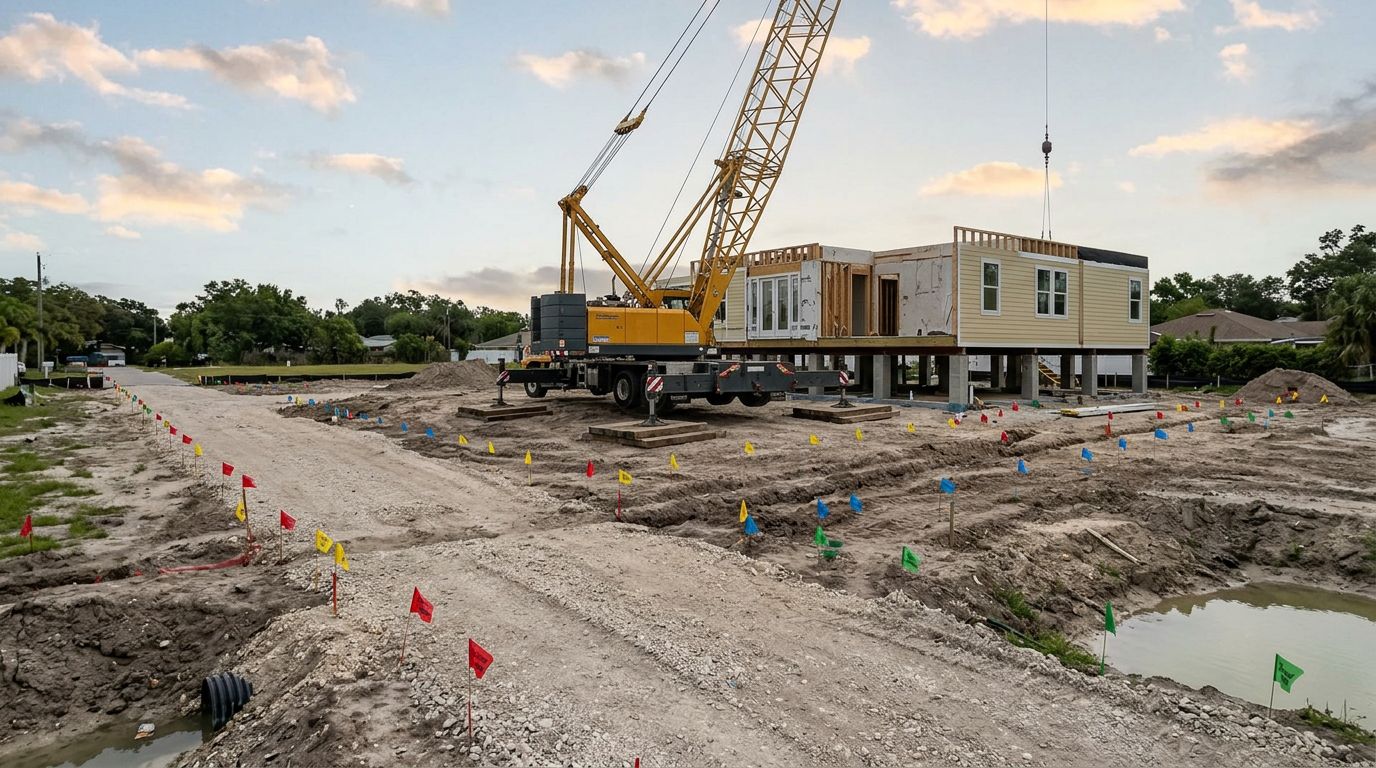
Request confirmation that the proposed crane, rigging arrangement, reach, and equipment position still match the job. Elevated placement and restricted positioning belong in that review, along with the planned module sequence.
For Fort Myers projects, ask the operator to assess the forecast and site conditions for the actual work window. Avoid relying on a general weather app screenshot as approval to proceed.
There isn't a universal wind number to substitute for the crane provider's assessment. Get the applicable operating limits and job-specific decision process from the team responsible for the lift.
Review the route and equipment footprint
Ask the site team to walk the delivery route, staging area, crane position, and path to the foundation again. Confirm whether anything changed after delivery, including parked vehicles, temporary utilities, excavation, or stored materials.
On a Sarasota canal-front lot, include the proposed equipment position near the water in the review. Request confirmation of ground bearing conditions and any ground protection included in the crane proposal.
Also check who handles overhead utility conflicts and any roadway coordination associated with the revised plan. Verify the arrangements for the actual property rather than carrying assumptions forward from an earlier visit.
Verify the Elevated Concrete Structure Before Restarting
If the delay involves foundation readiness, ask for a focused review against the approved structural drawings. A broad statement that "the concrete is finished" doesn't identify whether the installation team has accepted the bearing locations and connection details.
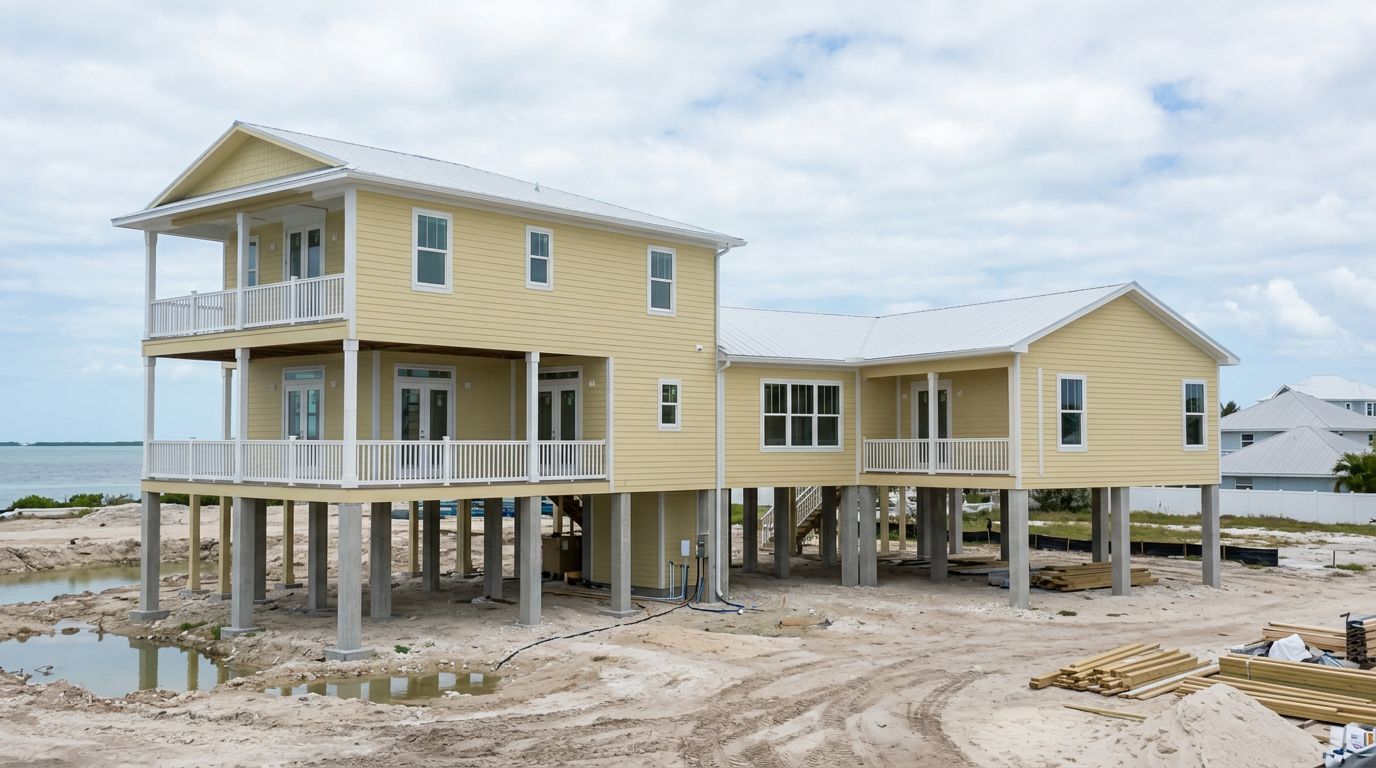
Request confirmation of the surveyed elevations, support layout, anchor locations, and the concrete condition specified for placement. Include columns, piers, grade beams, or elevated slabs that appear in your project's design.
On a Tampa coastal property, ask the contractor to identify any discrepancy between the installed supports and the module-bearing points. The response should describe the correction, who reviews it, and what documentation closes the issue.
If the foundation requires a change, have the project team obtain the appropriate engineering direction. Don't approve an informal field adjustment simply to preserve a crane booking.
For flood-zone questions, confirm the property's approved elevation and outstanding documentation with the applicable reviewer. Requirements for one Gulf Coast community shouldn't substitute for confirmation at another address.
Keep the foundation acceptance record separate from the crane reservation. Each answers a different question: whether the structure is ready to receive the sections, and whether the equipment is available to place them.
Review Delay Costs Before Approving More Work
A crane set delay can raise questions about charges, but your agreements determine what applies. Review the installation scope, crane proposal, and transport terms before accepting a combined "delay fee."
Ask for an itemized explanation of any proposed standby time, trailer detention, storage, protection work, relocation, or return mobilization. Request the contractual basis, billing period, and written authorization associated with each charge.
For a Cape Coral project, separate work needed to correct the site from costs associated with keeping equipment or sections waiting. That distinction helps you review the request without treating every expense as the same issue.
Check whether the original modular home setup scope includes temporary arrangements, alignment, structural connections, and weather protection after placement. Those items should remain visible when the schedule changes.
Also ask the relevant insurers or project representatives to clarify coverage during the holding period. Avoid treating responsibility for scheduling as proof of responsibility for every expense.
You don't need an immediate agreement about blame to establish a workable short-term plan. Document disputed items separately while confirming the arrangements needed for the delivered sections.
Build a Restart Schedule Around Confirmed Readiness
Ask the coordinator to replace the missed date with a schedule that shows the remaining dependencies. A useful update identifies the outstanding task, its owner, the required confirmation, and the next booking decision.
First, close the issue that stopped the set. Next, confirm the holding arrangement and any movement needed to position the sections for installation. Then align crane availability, delivery equipment, rigging, and crew attendance.
Treat the replacement crane date as provisional until the team confirms the condition that caused the postponement is resolved.
For a project in Port Charlotte, the restart discussion should also confirm how the staged sections reach the crane in the intended order. A changed holding location deserves review within the revised logistics plan.
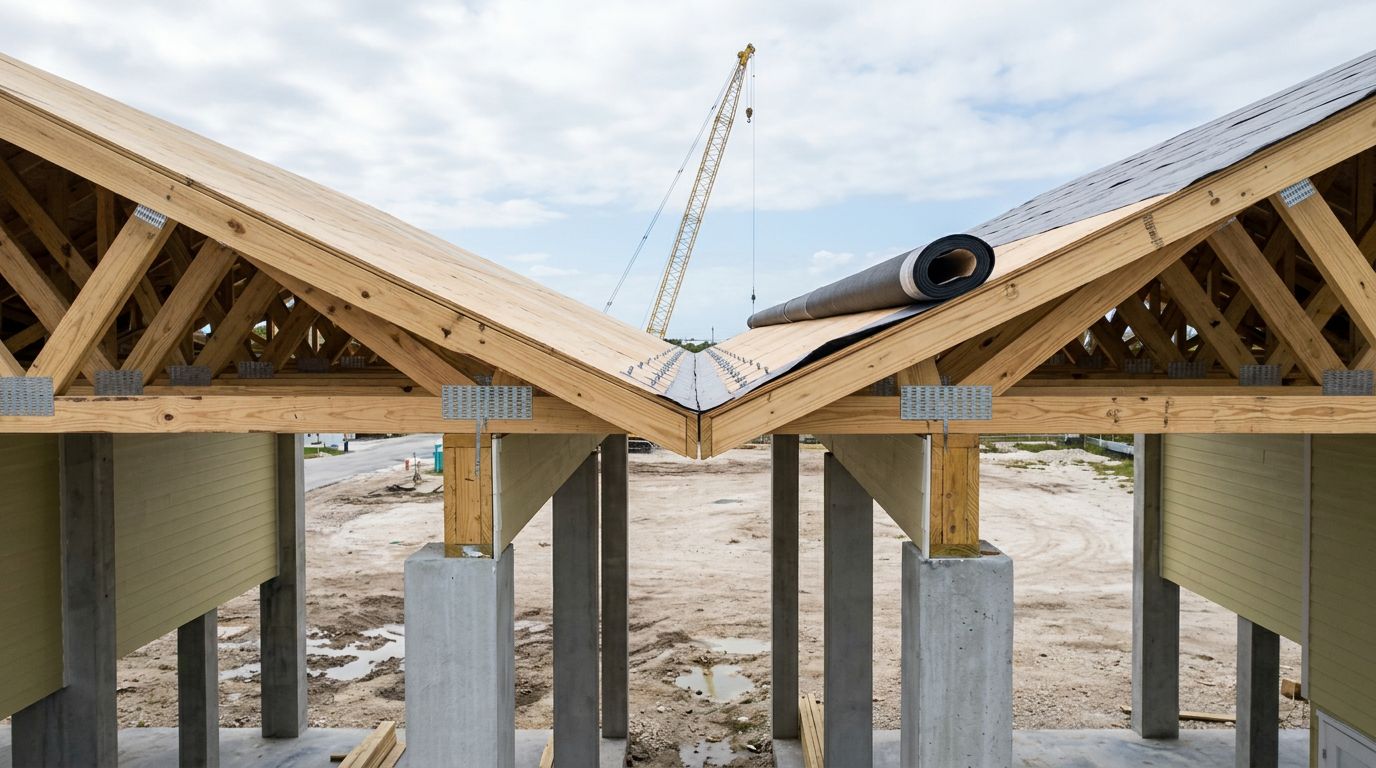
Include the work immediately after placement. Ask who handles alignment, structural fastening, marriage-line sealing, and protection before follow-on trades begin.
Reschedule inspection requests and utility work through the responsible parties rather than assuming the original appointments still fit. Keep each trade informed about the handoff it depends on.
Finally, request a pre-set confirmation at the time agreed by the project team. It should state whether the job is ready, what remains open, and who makes the final scheduling call.
Frequently Asked Questions About Delayed Crane Sets
Can the sections stay on delivery trailers?
Ask the transport provider and installer to confirm whether that arrangement suits the sections, location, expected wait, and equipment availability. Get the holding terms, monitoring responsibilities, and any proposed charges in writing. Don't treat trailer storage as an automatic option simply because the sections arrived that way.
Who pays when the crane set is postponed?
Review the signed agreements and the documented cause of the delay. Ask each party to identify the provision supporting its proposed charge. Keep responsibility for the original problem separate from authorization for additional work, and seek project-specific advice if the parties disagree.
Should we book another crane immediately?
First ask whether equipment availability caused the delay or whether the site still has an unresolved condition. Another booking won't close an outstanding foundation, access, or inspection issue. Have the coordinator confirm the remaining requirements before committing to a replacement mobilization.
Resolve the Hold Before Resetting the Date
Delivered sections need a documented holding arrangement while the project team resolves the reason for postponement. Clear ownership, condition records, and written cost approvals keep the response organized.
For elevated coastal projects, verify the concrete supports and equipment plan before confirming the replacement set. The useful next date is the one backed by completed corrections, coordinated crews, and a site the responsible team has reviewed.
Recent Posts